
Many toy brands are attracted by Magic Water Elf Kits because of their interactive transformation experience.
Yet the real challenge is not simply designing a toy that changes shape, but replicating that experience consistently across tens of thousands of units.
Turning a creative idea into a scalable, production-ready product demands careful evaluation of material behavior, component design, tooling requirements, safety protocols and packaging engineering.
Without early-stage technical assessment, brands risk inconsistent user experiences, production delays and unexpected costs.This guide breaks down the critical factors international buyers must consider before developing a Magic Water Elf Kit.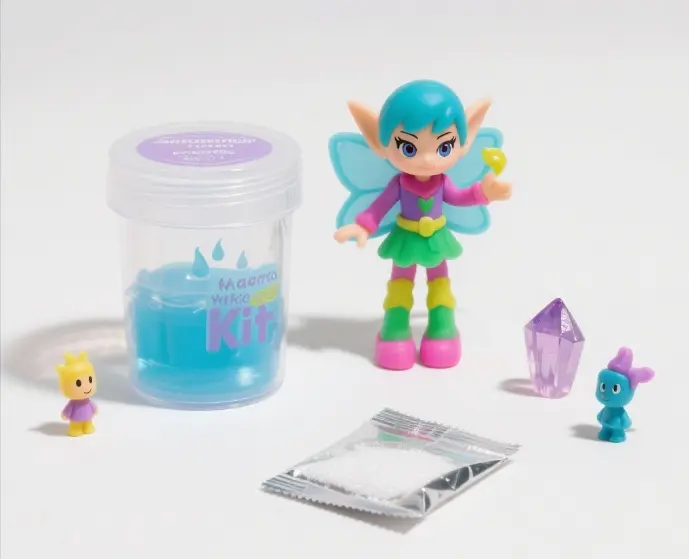
What Is a Magic Water Elf Kit? Understanding the Product from a Product Development Perspective
From a product development standpoint, a Magic Water Elf Kit is not just a single toy but a system combining interactive materials, components, packaging and instructions to deliver a repeatable user experience. Buyers often view the product through a consumer lens, but a development perspective reveals a multi-component system that must work together reliably under real manufacturing conditions.
The Core Product Concept Behind Magic Water Elf Kits
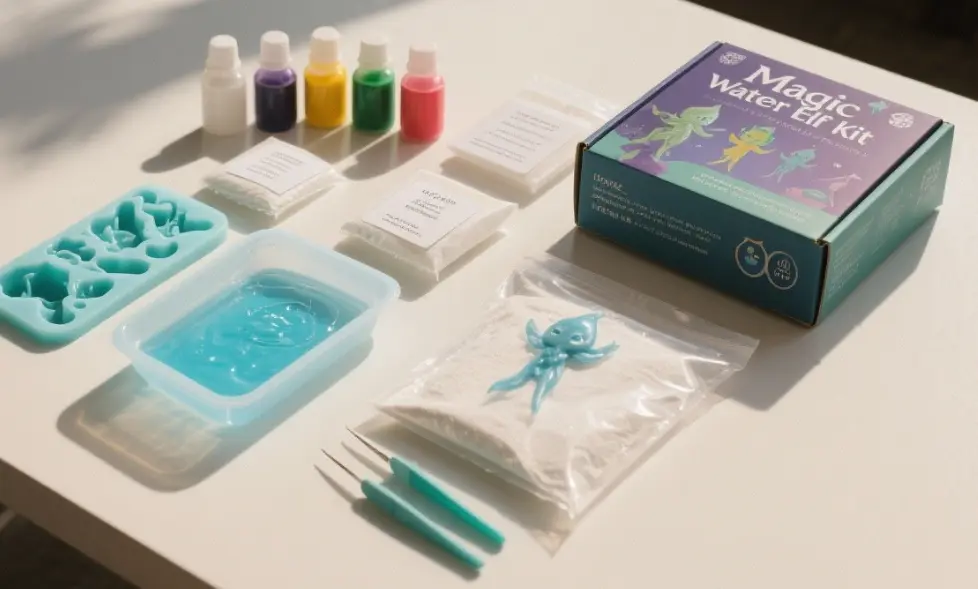
The kit typically includes an interactive water-based material, character or decorative elements, a container or system design, and instruction and packaging components.
The water-based material is often a specially formulated substance that expands, changes color or reveals a shape when immersed.
The characters or decorative elements might be small figures, beads or inserts that interact with the material.
The container design is not just a bowl. It may include compartments, molds or reaction chambers that shape the activity. Instructions and packaging must ensure safe, repeatable use and protect all parts.
From a development perspective, the core product concept centers on user interaction, material response and the visual transformation experience, rather than a single toy figure. This means product development must focus on how these pieces integrate, not just on the appearance of one component.
Why This Product Category Requires Specific Manufacturing Considerations?
Compared to standard toys, developing a Magic Water Elf Kit requires additional considerations that ripple through the entire supply chain. Material performance is the foundation. If the water-activated material does not behave consistently, if it expands too fast in some units and too slow in others, the core magic is lost.
Product structure affects assembly and durability. A figure with many small parts may be difficult to assemble or prone to breakage, raising both cost and customer complaints. Packaging design must do more than look appealing. It must prevent moisture ingress during shipping and keep loose parts from shifting.
Safety requirements influence material chemistry and component size to prevent hazards such as choking. Each of these factors connects to a complete manufacturing chain. A change in material formulation may require new mold adjustments, alter assembly steps and trigger re-testing.
Buyers who treat these as separate issues often encounter integration problems late in the project.
How Does a Magic Water Elf Kit Work? Key Components and Engineering Considerations?
To understand manufacturability, buyers need to examine the key components that make the interactive experience possible and the engineering requirements behind each.
The following sections break down what makes these kits function and where development risks typically hide.
Water-Activated Materials: Performance, Stability, and Safety Considerations
When evaluating water-activated materials, buyers need to verify performance consistency. This includes transformation effect uniformity, reaction time stability and minimal batch-to-batch variation.
For example, a batch test should check whether the transformation completes within an expected time window, whether the final appearance matches the reference sample, and whether any residue or cloudiness appears.
Storage requirements matter because these materials are often moisture-sensitive. Humidity can pre-activate the material and reduce shelf life, so packaging with desiccant packs and sealed barriers becomes a design requirement.
Safety evaluation must cover applicable material regulations, chemical safety considerations and market-specific requirements. This extends to migration of substances when in contact with water and compliance with standards such as EN71 or ASTM F963.
Material selection directly influences user experience, product stability and compliance risk.
Character Components and Product Structure Design
Character appearance is only the starting point. Manufacturing must account for component design, such as the number of parts, connection methods and assembly complexity.
Injection molding considerations include consistent wall thickness, appropriate draft angles, mold complexity and surface finishing.
Wall thickness must be uniform to avoid sink marks, which affect both appearance and structural strength. Draft angles enable clean ejection from the mold. Without them, parts may stick and cause cycle delays.
A character with multiple undercuts or intricate details may require a multi-slide mold, which significantly increases tooling cost and lead time compared to a simple two-plate mold.
A more complex structure increases mold investment, assembly costs and production lead time. Designers and buyers must evaluate whether a visually impressive part justifies the added manufacturing burden.
Packaging Design Is Part of Product Engineering
For international buyers, packaging design must solve component protection, moisture control, retail presentation and shipping durability.
Protection against vibration during sea freight is essential. Interior trays with individual cavities can prevent components from colliding. If the water-activated material is sensitive, moisture barrier bags become necessary.
Retail packaging must clearly convey the product use while meeting multilingual labeling requirements.
Packaging directly affects transportation stability, part integrity and the end-user experience. Treating packaging as a late-stage marketing task often leads to damaged products and hidden rework costs.
What Should Buyers Evaluate Before Developing a Magic Water Elf Kit?
Before committing to development, buyers should clarify market positioning, verify manufacturing feasibility and find the right balance between experience and cost.
These early decisions shape everything from material choices to production lead time.
Confirm the Target Market and Product Positioning First
Start by defining the target user, such as the age group, usage scenario and whether the purpose leans toward learning or pure entertainment.
If the kit targets children under three years old, safety requirements become much stricter, influencing material selection and component sizing. For an educational kit, you may need to incorporate guided activity steps. For a premium collectible, you might specify higher-grade plastics and detailed finishing.
Then determine the product position, whether it is an entry-level collectible, an educational activity kit or a premium interactive product. These choices directly impact material selection, product complexity and the overall cost structure.
Clear positioning prevents expensive redesigns later.
Evaluate Manufacturing Feasibility Before Finalizing Product Design
Avoid finalizing a design only to discover it cannot be mass-produced. Common pitfalls include designing parts that cannot be ejected from a mold, specifying tolerances that are unnecessarily tight, or creating assemblies that require excessive manual labor.
Evaluate product structure early by checking for excessive components, difficult assembly steps or high tooling complexity. Assess the production process, including injection molding requirements, manual assembly tasks and quality inspection points.
Requesting a manufacturability review with a simple prototype can reveal issues like a snap-fit that breaks easily or a part that warps during cooling.
Analyze how design choices affect tooling investment, unit cost and production lead time. Early identification of these issues keeps the project schedule and budget on track.
Balance Interactive Experience and Production Cost
Adding more features does not always create more value. Instead, find the balance among user experience, manufacturing feasibility and target cost.
For instance, a kit with twenty small accessories creates a rich interaction but may double assembly time and tooling expense compared to a kit with five larger pieces.
A simple structure offers lower tooling cost and faster production but limits interaction. A complex interactive design delivers a better user experience at the expense of higher development cost and longer production preparation time.
Buyers should quantify the perceived value of each interactive feature and weigh it against the incremental manufacturing cost.
Sometimes a simpler interaction executed flawlessly outperforms a complex but fragile design.
Magic Water Elf Kit Development Process: From Concept Validation to Mass Production
A structured development process helps transform a product idea into reliable mass production by addressing feasibility, prototyping and manufacturing optimization. Skipping steps often leads to unpleasant surprises during pilot runs.
Concept Review and Product Feasibility Assessment
Early in development, confirm the product concept, target cost, expected production volume and potential manufacturing risks.
Ask whether the target cost can be achieved with the proposed design, what the estimated tooling budget will be, and if alternative materials could deliver the same effect with lower risk.
The goal is to identify issues that might arise during mass production before they become costly. This phase prevents investing heavily in a design that is economically unviable.
Prototype Development and Functional Testing
Prototypes serve to validate product experience, material performance, structural reliability and the packaging solution, not just to provide a visual sample.
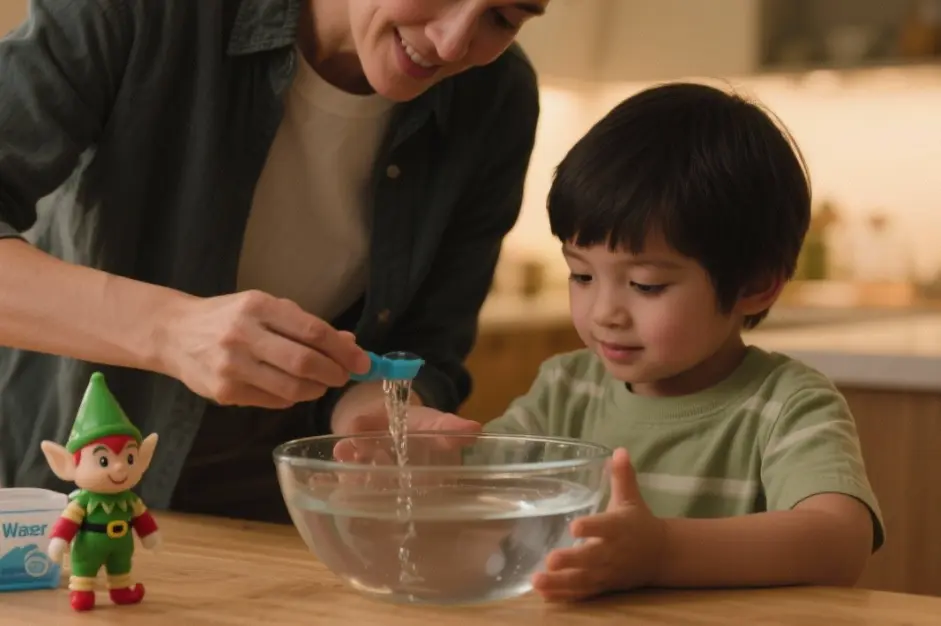
Functional testing should simulate real use, including repeated immersion cycles, drying and rough handling.
Prototypes help catch issues like color bleeding, material disintegration or sharp edges. They also give packaging engineers accurate dimensions to design protective fits.
The insights from this stage often drive critical design adjustments.
Design for Manufacturing (DFM) Optimization
DFM optimization turns a creative concept into a manufacturable product. Reduce unnecessary complexity by lowering part count and assembly difficulty.
This might mean combining two plastic parts into one, eliminating a screw, or switching to a snap-fit connection.
Improve production consistency to ensure stable quality and repeatable manufacturing. Control costs by optimizing mold structures, material usage and production efficiency.
Shaving a few seconds off mold cycle time can translate into significant savings at high volumes.
Efficiency gains made here directly improve margins and shorten lead times.
Common Project Challenges When Developing Magic Water Elf Kits
Even with careful planning, projects often encounter practical challenges related to consistency, complexity and international compliance. Recognizing these early helps teams prepare effective countermeasures.
Maintaining Consistent Product Experience Across Production Batches
Production batches can vary in material performance, appearance and user experience. These differences often stem from raw material lot variations or slight shifts in processing temperature.
Without a strict incoming quality control plan and in-process testing, a brand may ship units that behave differently, leading to returns and negative reviews.
Address this through stricter material control, in-process testing and clearly defined quality standards.
Establish acceptance criteria for transformation time, final size and color consistency to catch deviations before products leave the factory.
Controlling Complexity Without Increasing Manufacturing Risk
Adding features often increases components, assembly steps and quality checkpoints.
A feature like a light-up base introduces a battery compartment, wiring and electronics safety testing, along with new failure modes.
Teams need to balance added product value against the growing manufacturing complexity.
The question to ask is whether the marketing advantage justifies the additional engineering and quality risk.
Preparing Products for International Market Requirements
Before sourcing, confirm safety documentation, testing requirements, labeling regulations and packaging information for each target market.
This means compiling a technical file with material safety data sheets, test reports from accredited labs and design records.
Labeling must include appropriate warnings, age grading and country of origin.
Packaging must meet retailer requirements, such as frustration-free formats for e-commerce.
Preparing these documents early prevents shipment delays at customs.
A Practical Checklist Before Sourcing Magic Water Elf Kits
Use this checklist to guide sourcing decisions and reduce project risks. Walk through each item with your development team and potential suppliers.
Product Definition
- Target age confirmed
- Product experience defined
- Market positioning clear
Manufacturing Evaluation
- Material feasibility reviewed
- Structure optimized
- Production process evaluated
Compliance Preparation
- Safety requirements identified
- Testing plan prepared
- Documentation requirements confirmed
How Jaredrise Supports Magic Water Elf Kit Product Development?
For brands that need technical support, Jaredrise provides product development assistance focused on manufacturability.
Jaredrise helps educational toy brands evaluate Magic Water Elf Kit concepts, optimize product structures, select suitable materials and prepare designs for reliable mass production.
The focus stays on turning creative ideas into scalable, safe and cost-effective products that perform consistently in the hands of users.
Conclusion: Successful Magic Water Elf Kit Sourcing Starts with Better Product Decisions
A successful Magic Water Elf Kit project requires solving product feasibility, material performance, manufacturing complexity, safety preparation and cost control before production begins.
These elements cannot be solved in isolation. They influence each other throughout the development cycle.
Early technical evaluation helps brands reduce unexpected changes during production and build a clearer path from product concept to market launch.
Investing time in upfront assessment pays off with fewer surprises, smoother production ramps and a stronger product in the marketplace.