Use-Case Planning
Match the activity format to the intended age group and learning context.

Source a defined educational or activity toy by the intended learning task, user age, actual kit contents and destination-market needs.
Match the activity format to the intended age group and learning context.
Check an actual sample, instructions and included components.
Confirm activity units, tools, materials and accessories per set.
Review required labels, warnings and product-specific documentation.
Explore available educational toy references. Confirm the complete product configuration before comparing quotations or requesting changes.
The term educational does not itself establish a learning outcome, suitable age group or complete contents. Specify those points independently.
Define the specific activity the product must support.
Confirm intended age, supervision and number of participants.
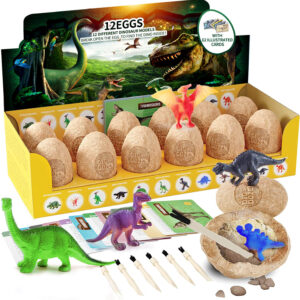
Specify pieces, excavation units, models or other actual components.
Confirm whether tools are shared and how instructions are provided.
Review packaging, labels and product customization scope.
Identify destination-specific requirements for the final SKU.
Packaging, labeling and testing should be reviewed during sample approval because the correct scope depends on the actual product and target market.
Confirm protective inserts, retail structure, barcodes and outer cartons.
Identify required labeling, country-of-origin marks and shipment paperwork.
Verify applicable requirements for the finished product, use and destination market.
Comparable quotes depend on a clearly defined product and consistent order assumptions.
Confirm the specification, approve the physical sample and production details, then review the finished order before shipment.
Submit reference products, dimensions, accessories and packaging needs.
Review materials, functionality, artwork and the complete set.
Produce to the approved specification and inspect the agreed checkpoints.
Confirm cartons, labels, export documents and shipping terms.
Send your reference product, expected quantity, customization and packaging specifications, and destination market.
Useful attachments: Reference product, learning activity requirements, kit BOM and retail pack examples