
Importing educational toys for 3-4 year olds requires more than just finding a supplier with a low quote—it demands a deep understanding of what drives pricing differences, how to balance cost and quality, and how to avoid hidden risks that can derail your business.
As an importer, you’re likely facing the frustration of comparing quotes that vary drastically for seemingly similar products, wondering which price point offers real value.
This complete buyer’s guide is designed to answer your most pressing questions: why supplier prices differ so dramatically, which factors truly impact cost, how to judge if a high price is justified, and how to control procurement costs without compromising on safety or quality.
Whether you’re a new importer or looking to optimize your existing supply chain, this guide will equip you with the knowledge to make confident, profitable purchasing decisions—with insights from Jaredrise, a trusted partner for global importers seeking reliable educational toy sourcing solutions.
Why Educational Toys for 3-4 Year Olds Supplier Prices Vary So Much?
For importers looking to source educational toys for 3-4 year olds the most confusing question is often why supplier quotes can differ by 30 to 200 percent for products that look nearly identical. You might receive two quotes for a simple wooden puzzle one at $1.5 per unit and another at $4 per unit and wonder how such a huge gap is possible.
The truth is that educational toys supplier price is not determined by random guesswork but by a combination of tangible and intangible factors that directly affect product quality safety compliance and long-term supply reliability.
- Educational toys manufacturer China price list
- Preschool Educational Toys Manufacturer in China for Age 3–4
- Best educational toys for 3 4 year olds supplier amazon
At Jaredrise many buyers first ask why prices vary so much between suppliers. The truth is pricing is not random—it reflects material quality certifications production standards and long-term supply reliability.
Understanding these factors is the first step to making smart purchasing decisions avoiding hidden costs and ensuring that your investment translates into profitable and sustainable business outcomes.
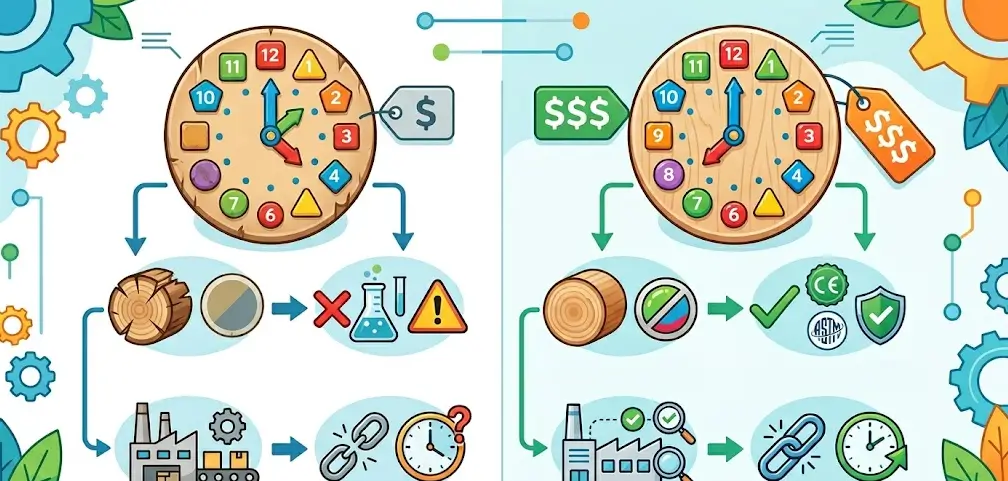
Production Standards and Quality Control Drive Price Differences
One of the main reasons for price discrepancies is the difference in production standards and quality control measures. A supplier that cuts corners on material testing assembly precision and safety checks can offer lower prices but these savings often come at the cost of product durability and compliance.
For example a preschool toys wholesale price from a small factory might be attractive but if the toys have sharp edges use toxic coatings or fail to meet international safety standards you could face costly returns customer complaints and even legal penalties.
On the other hand a reputable educational toys factory quotation will include costs associated with rigorous quality control regular testing and adherence to global safety norms which naturally drives up the price but reduces long-term risks.
Supplier Scale and Production Efficiency Impact Pricing
Another key factor is the supplier’s production scale and efficiency. Large factories with advanced production lines and bulk material purchasing power can achieve economies of scale that smaller manufacturers cannot. This means they can offer more competitive bulk educational toys cost while maintaining higher quality standards.
- Why Most Educational Toy Manufacturers Fail When Orders Scale?
- 6 Questions to Ask Before Working with a Preschool Toy Supplier
In contrast small workshops or family-run factories may have higher per-unit costs due to limited production capacity higher material procurement prices and less efficient production processes.
Additionally OEM toy supplier pricing often includes costs for custom mold development design adjustments and private label services which can significantly impact the final quote depending on the complexity of the requirements.
Compliance Costs Create Price Gaps
Compliance with international safety certifications is another major driver of price differences. Suppliers that invest in obtaining and maintaining certifications such as EN71 ASTM F963 and CPSIA incur additional costs for testing documentation and production upgrades.
These costs are passed on to the buyer but they also provide assurance that the products can be legally sold in target markets.
Importers who choose suppliers without these certifications may save money upfront but risk having their shipments detained at customs their listings removed from platforms like Amazon or facing lawsuits from consumers or regulatory bodies.
This makes the initial savings irrelevant and can lead to significant financial losses.
Learn more:Why educational toys for 3-4 year olds price varies between suppliers China?
Export Experience Adds Value and Cost to Quotes
Finally the supplier’s experience in exporting and ability to provide comprehensive support services also affect pricing. Experienced export suppliers often include costs for export documentation shipping coordination and after-sales support in their quotes.
While this may make their prices higher than those of suppliers with no export experience it also ensures a smoother importing process with fewer delays errors and unexpected costs. For importers new to the market or looking to expand into new regions this support can be invaluable and ultimately more cost-effective than choosing a cheaper supplier with limited export capabilities.
Raw Material Quality Directly Impacts Supplier Price
When it comes to educational toys for 3-4 year olds the quality of raw materials is one of the most significant factors affecting supplier pricing. Many importers make the mistake of focusing solely on the type of material listed in the quote such as ABS plastic or wooden materials without considering the quality grade and safety standards of those materials.
The reality is that the same material name can cover a wide range of quality levels each with a different cost implications. Jaredrise helps buyers compare not just visible product design but also hidden material standards that directly affect both cost and compliance.
Common materials used in educational toys for 3-4 year olds include ABS plastic BPA-free plastic FSC-certified wood silicone fabric materials eco-friendly paint and non-toxic coating.
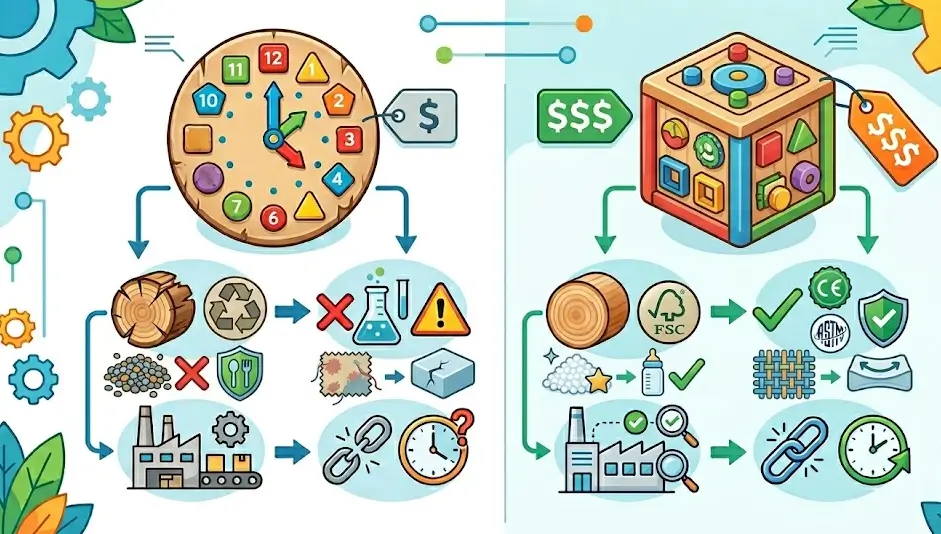
However the price difference between low-quality and high-quality versions of these materials can be substantial. The key distinction that drives price is not the material name itself but factors such as whether the material is virgin or recycled food-grade safety child-safe coating and durability under daily use.
Virgin vs Recycled Materials: A Critical Cost Differentiator
Virgin material versus recycled material is a major cost differentiator. Virgin plastic for example is made from new raw materials and offers better durability safety and consistency than recycled plastic. Recycled plastic is cheaper to source but may contain impurities that affect the product’s strength color stability and safety.
For educational toys which are often handled chewed and played with frequently using recycled plastic can lead to faster wear and tear increased risk of breakage and potential safety hazards. This is why suppliers using virgin materials will quote higher prices but offer a more reliable product.
Learn more:ABS educational toys manufacturer China price
Safety-Focused Materials Increase Cost but Reduce Risk
Food-grade safety is another critical factor especially for toys that children may put in their mouths such as teething toys or soft fabric toys. Food-grade silicone or BPA-free plastic costs more than standard materials but ensures that no harmful chemicals leach into the child’s mouth.
Similarly child-safe coatings and eco-friendly paints are more expensive than conventional alternatives but they are non-toxic and do not pose a risk if ingested or if the child comes into contact with them regularly.
These safety features add to the supplier’s cost but are essential for compliance with international safety standards and for building trust with consumers.
Durability Equals Long-Term Cost Savings
Durability under daily use is also a key consideration. Educational toys for 3-4 year olds need to withstand rough play frequent handling and cleaning. Materials that are more durable such as FSC-certified wood or high-grade ABS plastic will cost more but have a longer lifespan reducing the need for replacements and minimizing after-sales issues.
For example a wooden puzzle made from ordinary wood may cost 20 to 40 percent less than one made from FSC-certified wood but the FSC-certified version will be more resistant to warping cracking and splintering. This means fewer returns fewer customer complaints and a better reputation for your brand.
It is important to remember that cheap does not equal cost-effective. Choosing a supplier that uses low-quality materials to offer a lower price may seem like a good deal upfront but it can lead to higher costs in the long run. These costs include returns replacements legal fees if the product fails safety tests and damage to your brand reputation.
By investing in higher-quality materials you can reduce these hidden costs and ensure that your products are safe reliable and profitable.
Production Technology and Manufacturing Standards
When comparing educational toys supplier prices it is important to look beyond the unit price and consider the production technology and manufacturing standards of the supplier.
High-price suppliers often invest in advanced production technology and strict manufacturing standards which may seem costly upfront but provide long-term cost savings and quality assurance.
Understanding how production technology and manufacturing standards affect price and quality can help you make smarter purchasing decisions and choose a supplier that offers the best value for your money.
Jaredrise focuses on stable long-term supply rather than short-term low quotations helping buyers reduce after-sales problems.
Advanced Production Technology Reduces Long-Term Costs
High-quality suppliers invest in advanced production technology such as precision molds automated assembly lines and quality control systems. These technologies increase the initial cost of production but lead to higher product quality greater efficiency and lower defect rates.
For example precision molds ensure that each toy is produced with consistent size shape and functionality. This reduces the number of defective products which in turn reduces the cost of returns replacements and rework. Automated assembly lines increase production efficiency reducing labor costs and ensuring that orders are delivered on time.
Quality control systems such as automated testing and inspection ensure that each product meets the required safety and quality standards reducing the risk of non-compliance and associated costs.
Strict Quality Control Reduces Long-Term Costs
Strict manufacturing standards are another key factor that differentiates high-price suppliers from low-price ones. High-quality suppliers implement strict quality control measures throughout the production process from raw material selection to final inspection.
This includes testing raw materials for safety and quality inspecting each product during assembly and conducting final testing to ensure compliance with international standards. These measures add to the supplier’s cost but ensure that the products are safe reliable and durable.
Advanced Production Equipment Improves Cost Efficiency
In contrast low-price suppliers often cut corners on production technology and manufacturing standards to reduce costs. They may use low-quality molds which result in inconsistent product quality and high defect rates. They may use manual assembly lines which are less efficient and more prone to errors.
They may also skip quality control measures leading to products that fail to meet safety standards and have a high rate of defects. While these suppliers may offer lower unit prices they often lead to higher long-term costs due to returns replacements legal fees and damage to your brand reputation.
Total Cost vs Unit Price: The Key to Value
The key to understanding the value of high production technology and manufacturing standards is to focus on total cost rather than unit price. Total cost includes the unit price plus the costs of returns replacements rework legal fees storage and brand damage. A high-price supplier with advanced production technology and strict manufacturing standards may have a higher unit price but will have lower total cost due to fewer defects fewer returns and fewer compliance issues.
For example a supplier with a unit price of $3 per unit but a defect rate of 1 percent will have a lower total cost than a supplier with a unit price of $2 per unit but a defect rate of 10 percent. The lower defect rate means fewer returns fewer replacements and less rework leading to significant cost savings over time.
Additionally high production technology and manufacturing standards ensure that the products are more durable and have a longer lifespan. This reduces the need for replacements and increases customer satisfaction leading to repeat business and positive brand reputation.
For educational toys for 3-4 year olds durability is especially important as children are rough with their toys. A durable toy will last longer reducing the number of replacements and increasing the value for money for both you and your customers.
Supplier Experience and Export Capability Affect Pricing
Supplier experience and export capability are often overlooked factors that affect educational toys supplier pricing. Experienced export suppliers typically quote higher prices than suppliers with no export experience but they also offer a range of benefits that reduce import risk and ensure a smoother purchasing process.
The Cost of Export Expertise
Experienced export suppliers incur additional costs that are reflected in their prices. These costs include export documentation compliance support shipping coordination production planning stable lead time and quality control teams. Export documentation involves preparing all the necessary documents for customs clearance such as commercial invoices packing lists certificates of origin and test reports. This requires specialized knowledge and resources which adds to the supplier’s cost. Compliance support involves ensuring that the products meet the specific requirements of the target market such as safety certifications labeling requirements and import regulations. This may involve additional testing documentation and production adjustments which add to the cost.
Shipping Coordination and Lead Time Management
Shipping coordination is another cost for experienced export suppliers. They need to work with shipping companies to arrange transportation handle customs clearance and ensure that the products are delivered on time.
This involves negotiating shipping rates coordinating with freight forwarders and tracking shipments which requires time and resources. Production planning is also important for experienced suppliers.
They need to plan their production schedules to meet the lead times required by importers which may involve maintaining inventory hiring additional staff or adjusting production lines. This adds to the cost but ensures that orders are delivered on time.
Stable Lead Time: A Hidden Value of Experienced Suppliers
Stable lead time is a key benefit of working with experienced export suppliers. They have the resources and expertise to meet the lead times they quote which reduces the risk of delays and associated costs.
In contrast suppliers with no export experience may struggle to meet lead times due to lack of production planning shipping coordination and compliance knowledge. This can lead to costly delays missed market opportunities and lost sales.
Experienced Export Suppliers Usually Quote Higher and Safer
The higher prices quoted by experienced export suppliers are a reflection of the additional value and safety they provide. These suppliers have a proven track record of exporting educational toys to global markets and understand the complex requirements of different regions. This expertise allows them to provide a safer more reliable supply chain which ultimately saves importers time and money.
One of the main benefits of working with experienced export suppliers is their knowledge of international safety standards and import regulations. They understand the specific certifications and documentation required for each target market and ensure that the products meet these requirements.
This reduces the risk of customs detention and non-compliance which can be costly and time-consuming. For example an experienced supplier exporting to the US will know that the products need to meet CPSIA and ASTM F963 standards and will provide the necessary test reports and certification documents.
This ensures that the shipment clears customs smoothly and that the products can be legally sold in the US.
Experienced export suppliers also have established relationships with shipping companies and freight forwarders. This allows them to negotiate better shipping rates and ensure that the products are delivered on time.
They also have experience handling unexpected issues such as shipping delays customs inspections and product damage which allows them to resolve these issues quickly and minimize the impact on the importer.
In contrast suppliers with no export experience may not have these relationships and may struggle to handle shipping and customs issues leading to costly delays and losses.
Another benefit of working with experienced export suppliers is their ability to provide consistent quality. They have strict quality control measures in place and use advanced production technology to ensure that each product meets the required standards.
This reduces the risk of defects and returns which can be costly for importers. Additionally experienced suppliers are more likely to have a stable supply chain which ensures that they can meet your order requirements even during peak seasons or unexpected events.
Experienced export suppliers also offer better communication and support. They have dedicated sales and customer service teams that speak multiple languages and understand the needs of international importers.
This makes it easier to communicate your requirements negotiate terms and resolve any issues that may arise. They also provide regular updates on the status of your order which gives you peace of mind and allows you to plan your inventory and sales accordingly.
While the higher prices quoted by experienced export suppliers may seem like a disadvantage they are offset by the reduced risk and improved reliability. Importers who choose to work with inexperienced suppliers to save money often end up paying more in the long run due to delays defects non-compliance and other issues.
By working with an experienced export supplier you can ensure a smoother purchasing process reduce your risk and build a long-term supply chain that supports your business growth.