
Many of the people searching China educational toy manufacturer are exactly like you: toy distributors, Amazon sellers, Montessori school buyers, STEM toy importers, or brands looking for an OEM partner.
They usually want factories that can handle compliant, scalable production while still offering differentiated products instead of generic catalog items.
China produces a very large share of the world’s toys, and key clusters such as Guangdong and Zhejiang concentrate thousands of export-oriented factories with complete supply chains from raw materials to packaging.
This makes it easier for you to get strong OEM/ODM support, consistent quality, and competitive pricing at volumes that match both Amazon-level orders and large school or retail projects.
This guide focuses on three practical questions you probably care about most: which manufacturers are relatively reliable in 2026, what types of educational toys each is best at (Montessori, wooden, STEM, electronic learning, etc.), and how you can quickly shortlist the right supplier type for your own product strategy.
By mapping factory strengths to different buyer profiles (brand owners needing deep ODM, distributors needing stable catalogs, schools needing safety and pedagogy), you can avoid wasting samples, time, and tooling budgets on the wrong partners.
Why Source Educational Toys from China?
If you are a toy distributor, Amazon seller, Montessori school buyer, STEM toy importer, or an educational toy brand looking for an OEM factory, China remains one of the most strategic sourcing destinations for 2026.
The country combines massive manufacturing capacity with specialized toy clusters and mature export experience, which helps you move from idea to shipment with fewer unknowns and lower unit costs.
For educational toys in particular—where safety standards, learning outcomes, and design differentiation all matter—China’s ecosystem can support everything from entry-level ODM items to sophisticated, patented STEM kits.
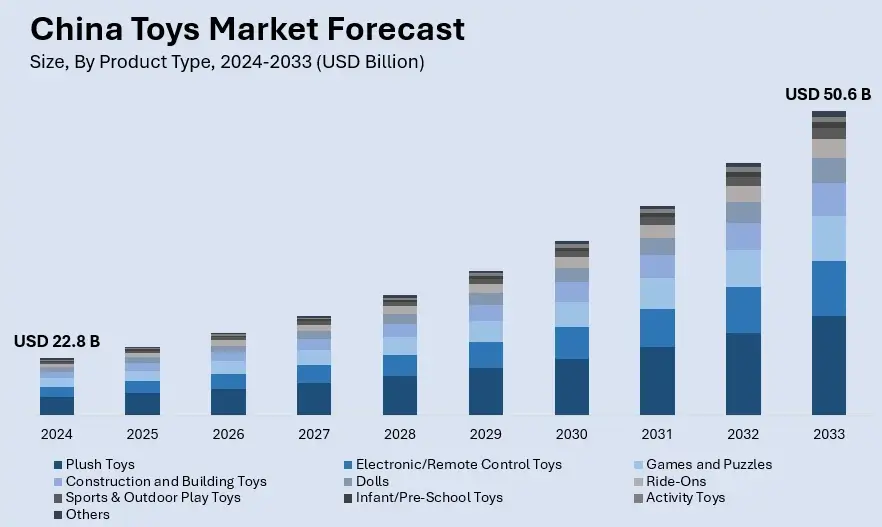
China Is the World’s Largest Toy Manufacturing Hub
China has developed the world’s most concentrated toy manufacturing clusters, with full industrial chains in a few coastal provinces.
Guangdong, especially the Shantou Chenghai district, is widely known as a core toy manufacturing hub China, hosting thousands of factories that specialize in plastic toys, electronic learning toys, and a wide range of mid- to low-price educational products aimed at global mass markets.
Zhejiang and Fujian have also built strong toy bases, often focusing on higher-value items, wooden toys, and export-compliant products for Europe and North America.
These industrial clusters give you a significant supply-chain advantage. Within a few kilometers, you can typically find a mold factory, plastic injection workshop, metal parts supplier, paint and printing facility, packaging producer, and logistics service providers that all understand toy export requirements.
This tight ecosystem reduces lead times for new molds, makes engineering changes faster, and helps keep your landed cost competitive even when you require custom packaging or multi-language manuals.
It also explains why why toys are made in China and toy manufacturing industry China remain common queries: the country doesn’t just offer cheap labor, it offers a complete and flexible infrastructure specifically built around global toy production.
For educational toys, this ecosystem matters because product categories often require multiple materials and processes in one set.
A single STEM kit might involve plastic parts, metal components, printed manuals, electronic modules, and custom packaging, all of which can be sourced and assembled within the same region.
Similarly, a Montessori set may combine wood, fabric, and safe coatings, and manufacturers in these clusters are already familiar with target standards like EN71, ASTM F963, and CPSIA.
The result is a sourcing environment where you can scale orders, iterate designs, and manage compliance without having to build a fragmented, multi-country supply chain.
OEM vs ODM Educational Toy Manufacturing
When sourcing educational toys from China, you’ll typically work under two cooperation models: OEM and ODM. Understanding the difference is essential before you request quotations, samples, or mold fees.
Under OEM (Original Equipment Manufacturer), you already have your own designs, brand identity, and product specifications. You provide the drawings, artworks, packaging files, and functional requirements, and the factory’s job is to industrialize and produce exactly what you specify.
OEM is ideal if you are an established toy brand or a well-funded startup with clear product roadmaps and IP protection strategies.
The main advantages are full differentiation, stronger brand ownership, and the ability to build unique STEM or Montessori lines that competitors cannot easily copy.
Under ODM (Original Design Manufacturer), the factory provides existing product designs and you label them with your own brand.
You may be able to tweak colors, packaging, and sometimes minor functions, but the core product structure is developed by the supplier.
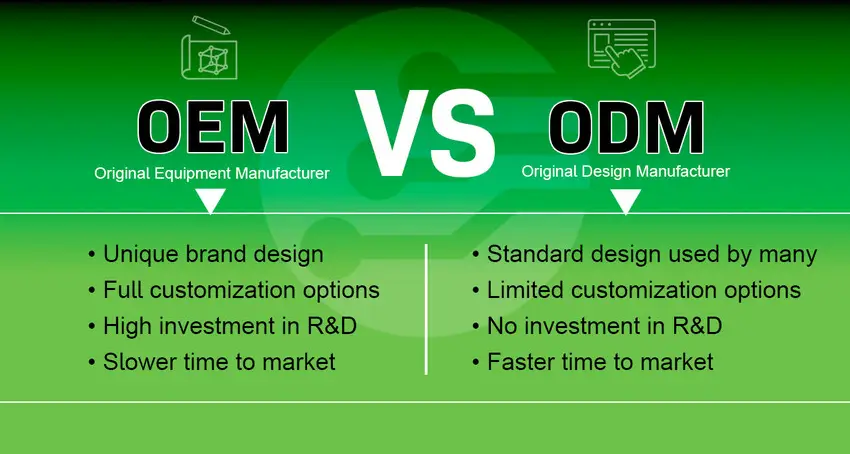
ODM is attractive if you are an Amazon seller, new distributor, or first-time educational toy brand that wants to test the market with limited risk and no heavy R&D investment.
Many learning toys suppliers maintain extensive ODM catalogs specifically for online sellers who need ready-to-sell products with proven demand.
In reality, many businesses use a mix: they start with ODM products to validate categories and keywords, then gradually move into OEM once they see clear traction and want deeper differentiation.
Many educational toy brands choose ODM suppliers first to test the market, and then upgrade successful products into OEM versions with unique features, upgraded materials, or proprietary learning content.
If you are sourcing educational toys from China, understanding these models and how they match your current stage will help you reduce risks and find the right partner for your long-term strategy.
Top 5 Educational Toys Manufacturers in China
If you focus on DIY, craft, STEM, and Montessori-style products, China offers a complete ecosystem of factories that can turn creative concepts into export-ready products with packaging, testing reports, and logistics support.
This section highlights five typical types of DIY educational toy manufacturers and explains what they do best, how strong their OEM capability is, and which buyers they are most suitable for.
Ningbo Jaredrise – Creative DIY Educational Toy Manufacturer
Founded in Ningbo, China, Jaredrise specializes in designing and manufacturing DIY craft educational toys and creative stationery-style kits for children.
The company positions itself between traditional toy factories and stationery suppliers, focusing on products that combine hands-on making, color creativity, and simple science or motion principles.
Because many of its items target gift, hobby, and online retail channels, Jaredrise pays attention to visual design and shelf appeal as well as safety and usability.
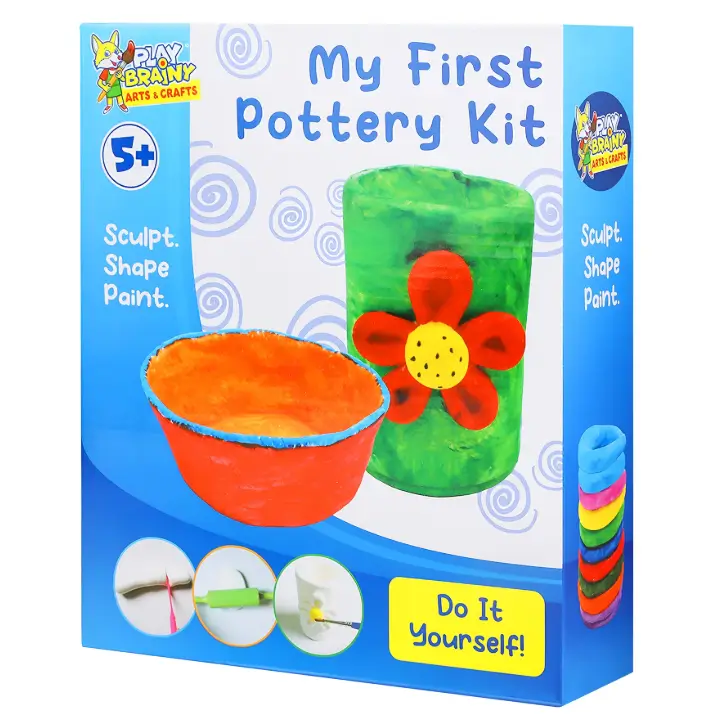
1.Main products
Jaredrise’s core product lines typically include DIY craft kits, painting toys, modeling clay sets, and simple experiment-based toys such as balloon powered car kits and other motion-themed DIY sets.
These products help children practice fine motor skills, color recognition, creativity, and basic problem-solving. Many kits are sold as complete sets with all materials included (paints, brushes, clay, accessories, instructions), so buyers can list or display them directly without additional sourcing.
2.OEM capability
One of Jaredrise’s main strengths is strong OEM customization. Buyers can usually customize themes, printed designs, color combinations, packaging formats (window box, gift box, mailer box), and even combine multiple DIY activities into one larger kit.
The factory is familiar with export requirements to both the EU and US markets, typically working under standards such as EN71, ASTM F963, and related chemical tests for paints and clays.
Retail-ready packaging support makes it easier for Amazon sellers and gift retailers to go from idea to finished listing or shelf product with minimal extra design work.
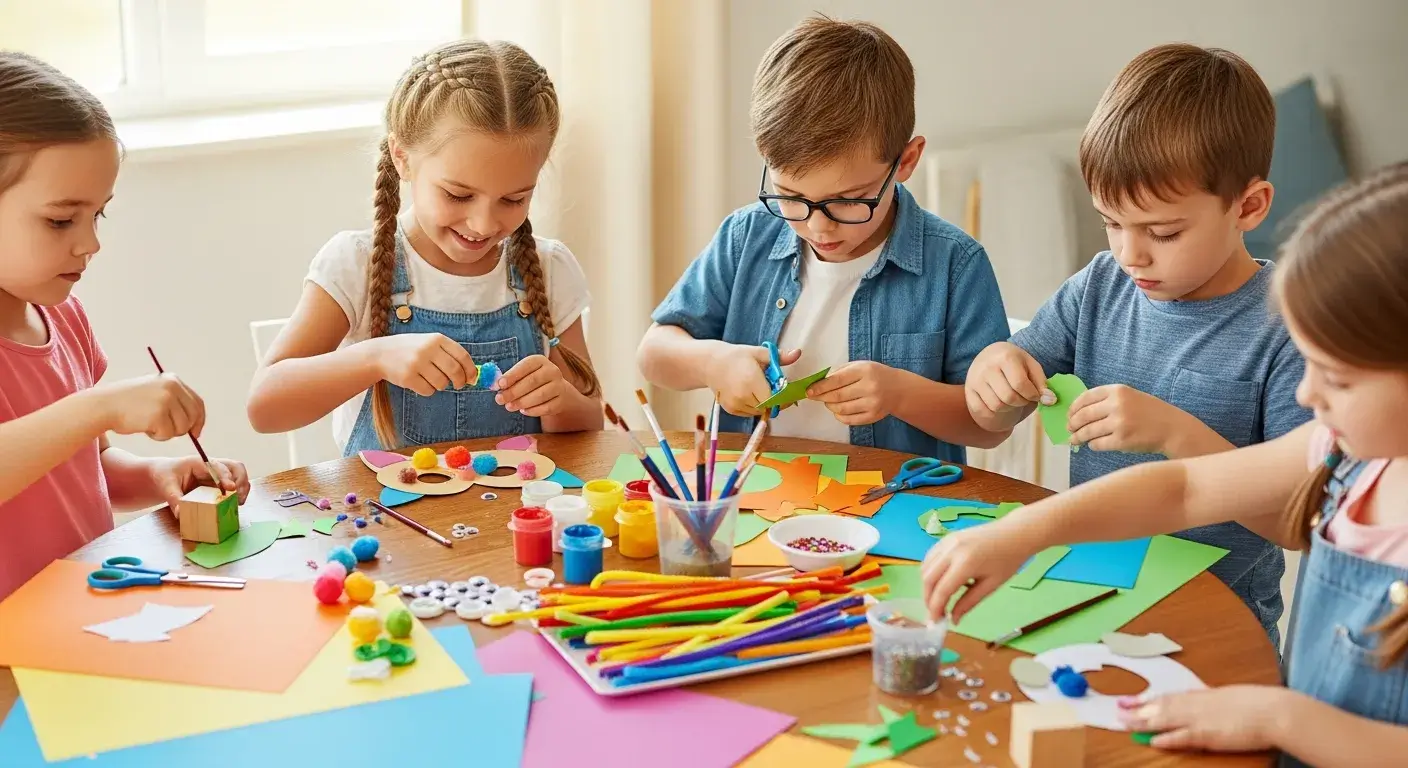
3.Best for buyers
Jaredrise is well-suited for craft toy brands that want to develop their own themed DIY series (e.g., seasonal crafts, holiday boxes, activity sets), as well as gift retailers that need visually appealing, impulse-buy price points.
Amazon and other online sellers also benefit from the combination of compact packaging, high perceived value, and customizable designs, which work well for keyword-targeted listings such as DIY toy manufacturer China and kids craft kit supplier.
Learn more:
- Low MOQ educational toys manufacturer
- Educational toys manufacturer China price list
- STEM Educational Toys Supplier for Schools China
- Minimum Order Quantity (MOQ) for Educational Toys from China
- OEM Educational Toys Factory Accepting Small Orders for Startups and Small Brands
Guangdong Alpha Animation and Culture Co., Ltd.
Location: Guangzhou & Shantou, Guangdong
Specialties: Electronic educational toys, STEM kits, and IP-licensed interactive toys.
Why they are a leader: Alpha Group is widely recognized as one of China’s largest publicly listed toy and entertainment companies, combining manufacturing strength with strong content creation capabilities.
For overseas buyers, this means you are not just sourcing a factory, but accessing an integrated ecosystem that spans product design, animation IP development, and large-scale production.
Unlike traditional OEM/ODM suppliers that focus purely on manufacturing, Alpha builds competitive advantage through its deep integration of proprietary animation IP with educational hardware.
This allows buyers to leverage ready-made, market-tested characters and storytelling elements—significantly reducing product development time and increasing retail appeal, especially in markets like North America and Europe where branded educational toys perform better.
From a production perspective, Alpha operates extensive, highly automated manufacturing facilities with strict quality control systems aligned with international compliance standards such as EN71, ASTM, and CPSIA.
This makes them particularly suitable for buyers handling large-volume orders, retail chain supply, or licensing-based product lines where consistency and certification are critical.
In addition, their R&D capabilities in smart electronics and interactive learning technologies enable more advanced product features such as app connectivity, voice interaction, and AI-based learning modules. For importers aiming to move beyond low-cost generic toys into higher-margin, differentiated products, Alpha represents a strategic partner rather than just a supplier.
Makeblock Co., Ltd. (Makeblock)
Location: Shenzhen, Guangdong
Specialties: Advanced STEAM education hardware, robotics kits (such as mBot and mTiny), and coding toys designed for K–12 learners.
Why they are a leader: Makeblock Co., Ltd. has established itself as a benchmark supplier in the global STEAM education sector, particularly for buyers targeting higher-end, tech-driven learning products.
Based in Shenzhen—China’s core hub for electronics innovation—Makeblock benefits from a highly mature supply chain ecosystem, enabling rapid prototyping, stable component sourcing, and continuous product iteration.
For international buyers, one of Makeblock’s strongest advantages is its clear focus on both the education sector (schools, institutions, STEM programs) and the consumer market. Their product lines are not just toys, but structured learning tools that integrate hardware, software, and curriculum support.
This is especially valuable if you are selling into developed markets where buyers increasingly demand educational value, coding integration, and long-term usability rather than simple entertainment.
From a compliance and export perspective, Makeblock is well-positioned for global distribution. Their products are designed to meet stringent international standards such as CE (Europe), FCC (U.S.), and RoHS (environmental compliance), which significantly reduces regulatory risk for importers.
In practical terms, this means fewer certification hurdles, smoother customs clearance, and faster time-to-market.
Additionally, their strength in programmable robotics and app-based ecosystems allows buyers to tap into higher-margin segments. Instead of competing on price alone, you can position products around learn-to-code,AI interaction, and STEM development—categories that are growing rapidly across North America and Europe.
For importers looking to build a differentiated product portfolio with strong educational positioning, Makeblock offers a scalable and future-oriented sourcing option.
Topbright Animations Corporation
Location: Hangzhou & Ningbo, Zhejiang
Specialties: Wooden educational toys, multi-sensory early childhood learning products (0–6 years), puzzles, and building blocks.
Why they are a leader: Topbright Animations Corporation has built a strong position in the global early childhood education toy segment, particularly among buyers targeting premium, eco-conscious markets.
Unlike many low-cost wooden toy factories, Topbright focuses on combining sustainably sourced wood with selected plastic components to enhance durability, functionality, and child safety—an important factor for products designed for toddlers and preschool users.
For overseas importers, one of Topbright’s key strengths lies in its deep experience serving European and North American markets, where regulatory and quality expectations are significantly higher.
Their production processes are aligned with strict international standards such as EN71 (EU), ASTM F963 (US), and FSC certification for responsible forestry.
This makes them especially suitable for buyers supplying retail chains, educational institutions, or brands that emphasize sustainability and safety.
From a manufacturing perspective, Topbright operates large-scale facilities in Zhejiang, a region known for its mature wooden toy supply chain.
This ensures stable production capacity, consistent quality control, and the ability to handle medium to high-volume orders without compromising finishing details.
Their products are particularly known for smooth edges, non-toxic coatings, and refined design aesthetics—key selling points in premium early education categories.
In terms of market positioning, Topbright enables buyers to move beyond price-driven competition by offering products aligned with trends such as Montessori learning, sensory development, and eco-friendly parenting.
For importers targeting higher-margin segments or building a brand around safe and sustainable toys, Topbright represents a reliable long-term manufacturing partner rather than just a basic OEM supplier.
Classic World (Ningbo)
Location: Ningbo, Zhejiang
Specialties: Premium wooden toys, Montessori learning materials, and developmental math and logic games.
Why they are a leader: Classic World has developed into a highly influential ODM/OEM supplier in the global wooden educational toy segment since its establishment in 2006.
For overseas buyers, especially those targeting mid-to-high-end markets, Classic World represents a mature manufacturing partner with a strong understanding of international product expectations and educational trends.
One of their core competitive advantages lies in their deep alignment with play-based learning philosophies, particularly Montessori and early cognitive development frameworks.
This is not just a marketing angle—their product design reflects structured learning outcomes such as fine motor skill development, logical reasoning, and early numeracy.
For importers, this translates into products that are easier to position in premium retail channels, educational supply catalogs, and parenting-focused eCommerce platforms.
From a production standpoint, Classic World operates advanced wood-processing facilities equipped with automated cutting, polishing, and painting systems. These are specifically optimized to meet stringent Western safety and quality requirements, including EN71 and ASTM standards.
Their emphasis on rigorous safety testing—covering material toxicity, structural integrity, and child-safe finishes—reduces compliance risk and enhances buyer confidence, particularly for brands entering regulated markets like the EU and the United States.
Additionally, their ODM capabilities are particularly valuable if you are looking to develop differentiated product lines rather than compete on generic SKUs. They can support concept development, design iteration, and packaging aligned with your brand positioning.
For buyers aiming to build a long-term brand in the educational toy space—especially within Montessori or eco-conscious niches—Classic World offers a balanced combination of design depth, manufacturing reliability, and global compliance expertise.
How to Choose a Reliable Educational Toy Manufacturer?
Choosing the right educational toy manufacturer directly affects your product safety, reviews, and long‑term brand reputation. Focus on three areas: safety certifications, OEM/private label capabilities, and realistic MOQs and capacity that match your growth plan.
Check Toy Safety Certifications
For exporters to Europe and North America, toy safety standards are non‑negotiable.
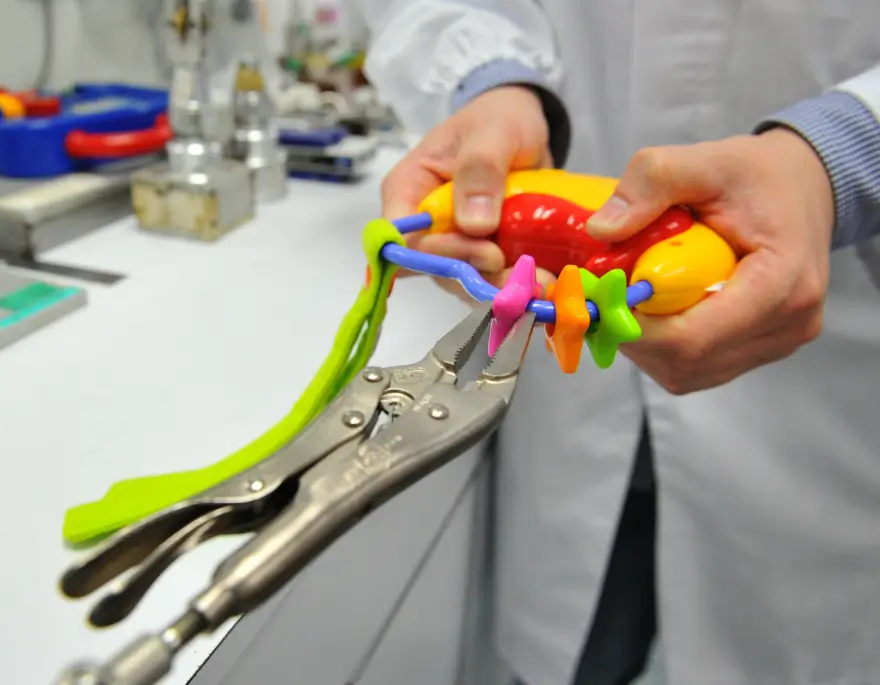
EN71 applies to toys sold in the EU and covers mechanical/physical safety, flammability, and migration of certain elements; a serious manufacturer should be familiar with the different EN71 parts and able to show recent test reports from recognized labs.
ASTM F963 is the key toy safety standard for the US, while CPSIA focuses on children’s products (including lead content, phthalates, and tracking labels), so you need suppliers who understand these and can label and document products correctly.
When vetting a factory, ask for existing test reports for similar products, not just generic certificates on the wall. Confirm whether tests are done per product, per material, or per batch, and whether they use well‑known third‑party labs (such as SGS, Intertek, TÜV, or BV).
For new OEM products, clarify who will pay for testing, how many samples are needed, and how long the process takes, then factor that into your launch timeline.
Evaluate OEM / Private Label Capability
A reliable educational toy manufacturer should support core private‑label services. At a minimum, they should offer logo printing (on products, accessories, and packaging), custom packaging design (color boxes, mailer boxes, gift sets, inserts), and basic product modification such as changing colors, components, or combining multiple SKUs into one kit.
Many Chinese factories provide both OEM (your design, their production) and ODM (their existing product, your brand) customization, which is ideal if you want to test the market quickly and then develop unique items once you see demand.
During evaluation, ask to see past OEM/ODM cases to understand their design level and packaging quality.
Check whether they have in‑house designers or rely on buyer‑provided artwork, and clarify file formats, design fees, and lead times for sampling and revisions.
A good partner will also proactively advise you on packaging sizes to optimize freight costs and suggest small design tweaks that improve user experience or compliance.
MOQ and Production Capacity
Minimum order quantity (MOQ) and capacity determine whether a factory is a realistic partner for your current stage.
For many educational toy categories, a typical MOQ might look like this:
| Product type | Typical MOQ (units) |
|---|---|
| Craft kits | 500 |
| Painting kits | 1000 |
Also read:Low MOQ educational toys manufacturer
Some suppliers may accept test orders below these numbers at a higher unit cost, while others will insist on standard MOQs, especially for fully customized OEM designs.
Always ask about monthly and peak‑season capacity, lead times for both samples and mass production, and whether they can scale with you if orders double or triple.
Matching a factory’s MOQ and capacity with your forecasted sales and cash flow helps you avoid stock‑outs, excessive inventory, and unnecessary production risk as you grow your educational toy line.
Why Importers Source Educational Toys from China and Jaredrise?
For toy distributors, Amazon sellers, and educational brands, China remains one of the most attractive sourcing bases for DIY and learning toys, and companies like Jaredrise represent the advantages of this ecosystem very clearly.
Three factors explain why many importers continue to choose Chinese manufacturers and Jaredrise in particular: cost advantage, a complete toy supply chain, and strong OEM customization.
Cost advantage
Chinese educational toy manufacturers can usually offer large‑scale production and competitive unit prices because they serve global volume buyers and run high‑capacity lines for similar products.
When a factory produces millions of craft kits, painting sets, and basic STEM items each year, raw material procurement, labor allocation, and production planning all benefit from economies of scale.
For importers, this often translates into lower landed costs, even after adding freight, tariffs, and compliance testing.
Jaredrise fits into this structure by focusing specifically on DIY craft kits, painting toys, modeling clay sets, and simple science toys such as balloon‑powered car kits.
Because these products share many common components—paints, brushes, clay, small accessories, and standardized packaging formats—the company can consolidate materials and processes across multiple SKUs.
This allows buyers to maintain attractive retail prices and healthy margins while still investing in design, branding, and marketing in their home markets.
Complete toy supply chain
One major reason toys are made in China is the presence of a complete, highly specialized toy supply chain concentrated in key regions.
Within a relatively small geographic radius, an educational toy factory can access mold makers, plastic injection workshops, printing houses, packaging plants, testing laboratories, and logistics providers that all understand toy export requirements.
This density of suppliers makes it easier to develop new products, adjust designs, and respond to buyer feedback without long delays.
For DIY educational toys, the supply chain advantage is especially visible.
A company like Jaredrise needs not only toy‑grade components, but also art and stationery materials, instruction booklets, color boxes, and accessories such as stickers or decorative parts.
Having local partners for each of these elements allows Jaredrise to assemble fully integrated kits that are retail‑ready: from the outer packaging and inner trays to multilingual leaflets and barcodes.
Importers benefit because they can receive finished products that already meet packaging, presentation, and logistics requirements, rather than coordinating multiple vendors themselves.
Strong OEM customization
Another key reason importers source from China and choose manufacturers like Jaredrise is the strength of OEM and private‑label customization.
Many Chinese factories are highly experienced in turning buyer concepts into export‑ready products, and Jaredrise is a typical example in the DIY craft and educational toy niche.
It can usually support:
- Logo printing on products, components, and packaging.
- Custom packaging design (gift boxes, mailer boxes, window boxes) tailored to different retail channels.
- Product modification, such as changing themes, colors, included activities, or combining several small sets into one large kit.
For craft toy brands and Amazon sellers, this flexibility is crucial. You can start from an existing Jaredrise kit structure—such as a painting set or a modeling clay box—and then adapt the theme, artwork, and components to target specific seasons, age groups, or niches.
Because the factory already understands EU and US safety standards, including EN71, ASTM, and CPSIA, these custom products can be developed with compliance in mind from the beginning, reducing the risk of failed tests or relabeling later.
In practice, this combination of cost advantage, integrated supply chain, and strong OEM support explains why so many importers choose both China and Jaredrise when building DIY and educational toy portfolios.
If you are planning to expand your range of craft kits, painting toys, or simple science‑and‑play products, working with a manufacturer that leverages these three strengths can help you control cost, simplify development, and bring differentiated, retail‑ready products to market faster.
Conclusion
China has become one of the most important production bases for creative educational toys and DIY craft kits, covering everything from STEM science sets and Montessori toys to art, craft, and building products.
Its mature toy clusters and complete supply chain make it possible to turn ideas into export‑ready products with competitive pricing and consistent quality.
Many educational toy manufacturers now offer OEM manufacturing, private label services, and support for safety testing and export certifications, which greatly reduces the barrier for new brands, distributors, and online sellers to enter the market.
By leveraging existing designs or co‑developing new product lines, you can rapidly build a differentiated portfolio without investing in your own factories.
If you are looking for reliable educational toy manufacturers in China, working with experienced suppliers that understand both compliance and overseas retail requirements can help you launch creative toy products faster and with lower risk.